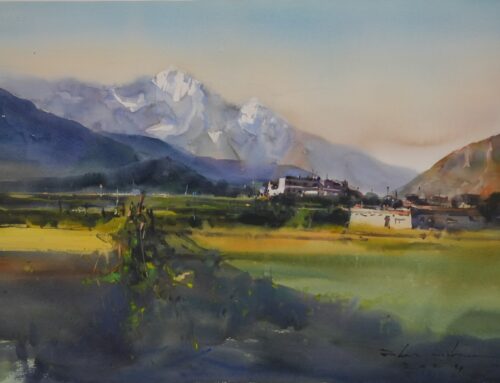
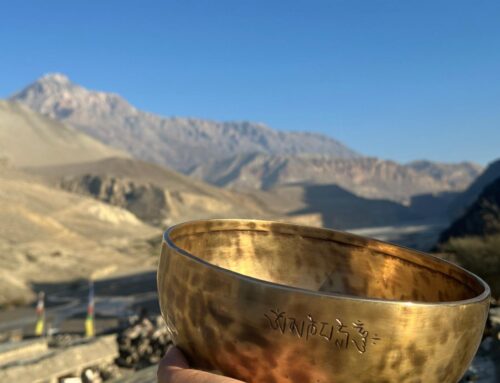
Mustang, Nepal, a highland plateau nestled between the Tibetan frontier and Nepal’s lush valleys is a land shaped by silence, wind, and reverence. Its jagged cliffs and ancient monasteries seem to hold time still. Few regions in the Himalayas feel as untouched, or as spiritually grounded, as this one. Life here moves with purpose, rooted in centuries of tradition and respect for the natural world. Among Mustang’s many customs, one practice in particular reveals the region’s deep connection to the cycles of life and death: the sky burial.
The Sacred Ritual of Sky Burial in Mustang
In Mustang’s Tibetan Buddhist tradition, death is not an end, it is a release. The sky burial, known locally as jhator, or “giving alms to the birds,” offers the body to vultures, creatures seen as sacred messengers between worlds. It’s a ceremony rooted in compassion, humility, and trust in the natural order. The ritual reminds those who witness it that even in death, one can give life. Because the land is too rocky to bury and firewood is scarce for cremation, this practice is both spiritually symbolic and environmentally practical. The ritual, led by monks, ensures the soul’s peaceful passage while the body nourishes other life, a final act of generosity that reflects Mustang’s intimate bond with the earth. It is raw, honest, and profoundly moving.
A Culture Rooted in Impermanence
Sky burials are not isolated rituals, they reflect a worldview that touches every part of life here. From prayer flags fluttering across mountain passes to the quiet spin of prayer wheels, Mustang’s culture embraces change, impermanence, and the sacredness of nature. Time isn’t chased; it’s accepted. Stillness is not seen as empty, but full of presence. This philosophy encourages a deep sense of awareness. It teaches that to live fully, one must also learn to let go, and in doing so, become part of something larger and timeless. There’s humility in this mindset, and also great peace.
The Stillness of Lo Manthang
In the walled kingdom of Lo Manthang, the spiritual heart of Upper Mustang, this belief system takes on architectural form. Ancient monasteries hum with centuries-old chants, and narrow alleys echo with the quiet rhythm of a life lived slowly. There’s a stillness here that invites reflection and presence. Every stone, brush of wind, or flicker of butter-lamp flame feels sacred. As you walk through Lo’s sunlit courtyards and crimson temples, the distinction between past and present begins to fade. Everything here, stone, wind, voice, feels part of a continuous, sacred story. You don’t just observe it, you become part of it, even if only for a while.
Taking a Piece of Mustang With You
While no object can replace the feeling of Mustang, its spirit lives on in the crafts made by its people. From intricately handwoven yak-wool shawls to hand-painted thangka scrolls and weather-worn wooden carvings, each piece carries the patience and philosophy of the land. These aren’t just souvenirs, they are memories you can hold. Each item reflects Mustang’s values: simplicity, intention, and beauty born from nature.
Some of these art forms can be found in spaces like Avendi
Mustang offers more than a landscape, it offers perspective. It reminds us that in stillness, there is wisdom. In release, there is continuity. And in honoring nature, we reconnect with ourselves. There’s a quiet strength in these high, barren lands that stays with you long after the dust leaves your boots. To walk through Mustang is to be reminded that nothing truly ends, it simply changes form. And sometimes, the most meaningful parts of a journey are the ones carried home in silence.